
Our Commitment as an Independent Informational Resource
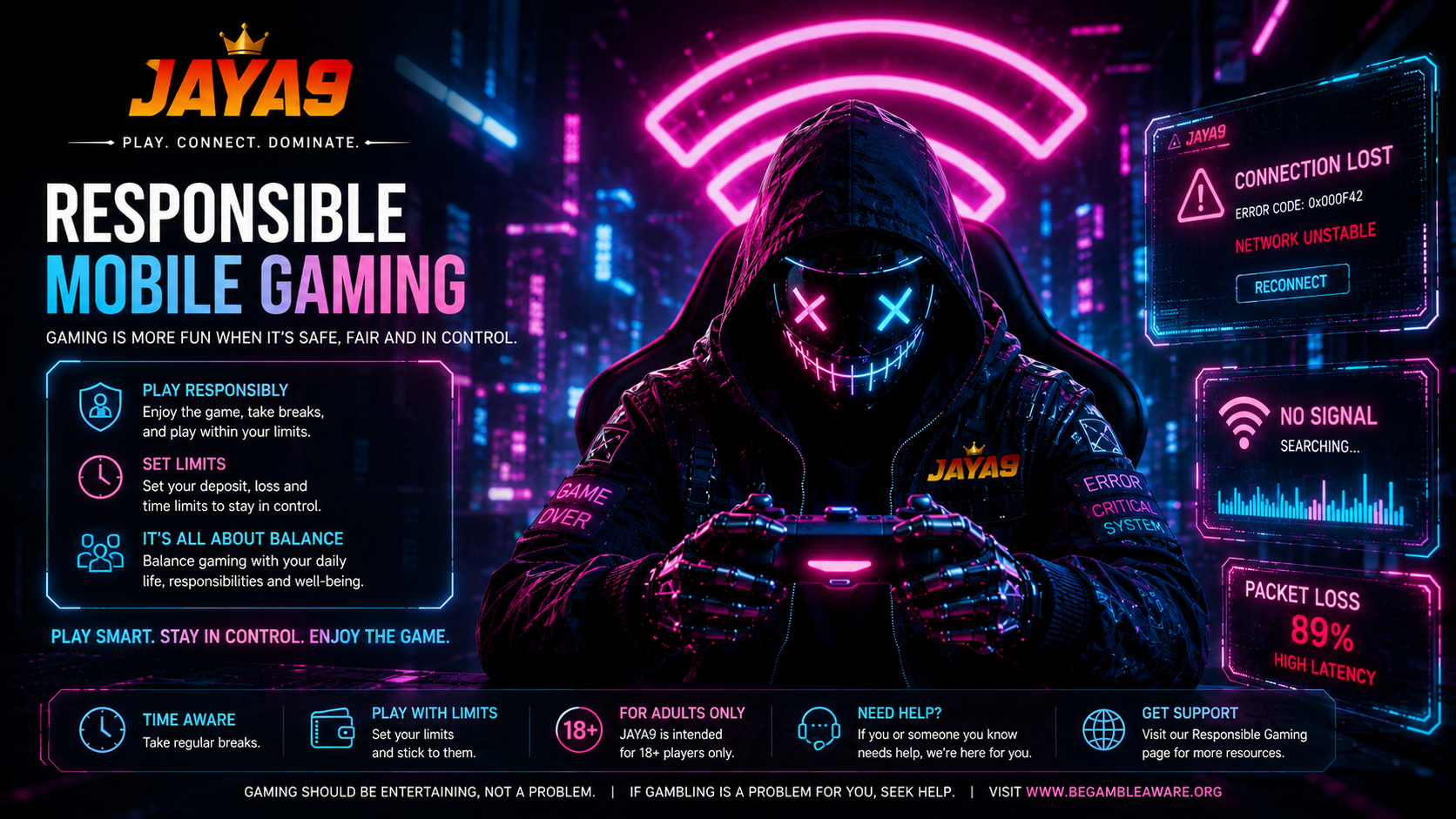
This site is an independent information portal covering topics related to online gambling. We don’t accept wagers, hold accounts, process deposits, or handle real money. Everything published is for educational purposes. Actual betting takes place on the platforms we write about, under their own terms.
The Core Principles of Responsible Gambling
A few principles sit at the foundation of staying in control:
- Treat gambling as paid entertainment, never as income.
- Bet only what you can afford to lose.
- Set firm budget and time limits before you start.
- Accept losses as part of the activity, not signals to chase.
- Stop when you’ve reached your limit — win or lose.
Entertainment Over Profit
The most important shift is treating gambling the way you’d treat any paid entertainment — the cinema, a restaurant, a cricket match. You pay for the experience and don’t expect a refund. Anyone framing gambling as a way to fix money problems is setting themselves up for worse ones. Wins happen, but they aren’t the plan.
Accepting the Mathematical Disadvantage
Modern slots and table games use a Random Number Generator (RNG) — independently audited software producing unpredictable outcomes for every spin. No previous result influences the next. Every game has a built-in house edge: over enough rounds, the math favors the house. A player can have a winning session, but over a long horizon the edge wins.
Identifying the Stages of Problem Gambling
The slide from recreational play to a problem rarely happens overnight. Recognizing it early is the difference between an easy correction and a serious crisis.
Early Warning Signs
First things to watch for:
- Playing past the time you set for yourself.
- Feeling irritable or anxious after a losing session.
- Thinking about gambling during work or family time.
- Increasing stakes to chase the same excitement.
- Hiding the activity or downplaying spending.
| Stage | What It Looks Like |
| Recreational | Plays within budget, enjoys it, stops on time |
| Strained | Sometimes exceeds limits, regrets it later |
| Problematic | Frequently chases losses, gambling intrudes on daily life |
| Severe | Financial, emotional, and relationship damage |
Severe Symptoms of Addiction
Severe symptoms include borrowing money to keep gambling, selling personal belongings, hiding activity from family, persistent arguments over money, and depressive or anxious mood states. At this stage, professional help is needed.
Common Misconceptions and Cognitive Biases
The mind plays tricks during gambling.
The Gambler’s Fallacy
The gambler’s fallacy is the belief that a streak of losses makes a win “due”, or that a streak of reds on roulette makes black more likely. It feels intuitive — but it’s wrong. Each spin is independent. The RNG has no memory of what happened before. Chasing losses on this logic is one of the fastest ways to lose more.
The Illusion of Skill in Games of Chance
Some games genuinely reward skill — poker, sports betting where research matters. Others are pure chance: slots, roulette, lottery games. No system or “strategy” beats the math of a pure-chance game. Watching previous results or applying betting progressions doesn’t shift the odds. Strategies that promise to do so sell an illusion.
Actionable Strategies for Player Protection
Implementing Bankroll Management
Pick a budget you can lose without affecting rent, food, bills, or family expenses — and treat that number as the hard ceiling. Once it’s gone, the session is done. The bankroll should never be borrowed money or savings for anything real.
Setting Strict Time Limits and Alarms
Time slides quickly during gambling, and long sessions erode judgment. Set a phone alarm for the end of your session before you start. When it goes off, stop. Build in breaks too — ten minutes off-screen every half hour helps reset focus.
Utilizing Cooling-Off Periods
When you notice yourself chasing or playing past limits, a voluntary cooling-off period is the cleanest fix. Most platforms offer 24-hour, 72-hour, or week-long pauses you can activate yourself. The space lets clarity return before the next session.
Advanced Tools for Limiting Access
When self-control alone isn’t enough, structural barriers do the work.
| Tool | How It Works | Duration |
| Cooling-off period | Voluntary account lock | 24 hours to 1 week |
| Self-exclusion | Formal lockout from platform | 6 months to permanent |
| Banking gambling block | Card-level transaction refusal | Until manually removed |
| Parental control software | Device or network filtering | Configurable |
Self-Exclusion Programs Explained
Self-exclusion is a formal request to be locked out of a platform for an extended period — typically six months minimum. Once activated, the platform refuses logins and deposits until the period expires, and the choice can’t be reversed early.
Activating Gambling Blocks via Banking Apps
Most modern banking apps in Bangladesh let you block specific transaction categories — gambling among them. Once toggled on, your card simply won’t process gambling payments. It removes the option during weak moments.
Protecting Minors and Underage Individuals
Online gambling is strictly for adults 18 or older in Bangladesh and most jurisdictions. Platforms verify age, but household-level protection matters too.
The Importance of Device Security
Keep passwords private and never save payment details on shared family devices. A phone left unlocked with autofill enabled gives easy access to anyone who picks it up — including children. Strong passwords and disabled autofill on gambling-related sites are simple, effective protections.
Recommended Parental Control Software
Tools that block gambling content at the device or network level:
- Net Nanny — content filtering across categories including gambling.
- GamBlock — specifically designed to block gambling sites and apps.
- Qustodio — broad parental controls covering apps and category filters.
- Google Family Link — free Android option for managing children’s devices.
Setting these up takes a few minutes.
Seeking Professional Assistance
If gambling has stopped being something you control, professional support exists and works. Reaching out earlier is easier than waiting until the damage is severe.
How Counseling and Therapy Can Help
Cognitive Behavioral Therapy (CBT) has the strongest evidence base for gambling disorders. It identifies the thought patterns driving the urge to gamble and rebuilds healthier responses.
Global Helplines and Support Networks
International organizations offering free, confidential support:
- Gamblers Anonymous — peer-support meetings worldwide (gamblersanonymous.org).
- GamCare — confidential helpline and online resources (gamcare.org.uk).
- Gambling Therapy — free multilingual support including South Asian languages (gamblingtherapy.org).
- BeGambleAware — information and treatment referrals (begambleaware.org).
Local mental health services in Bangladesh can also refer you to counsellors familiar with behavioral addiction.
Final Disclaimer and Legal Notice
This site is an independent informational resource. Nothing published constitutes a recommendation to gamble or guarantee of outcome. We do not operate a gambling service, do not handle wagers or funds, and bear no responsibility for actions users take on third-party platforms. Online gambling is restricted to adults 18 and over, and should be used only in jurisdictions where legally permitted.